
亮剑
10 Best Korean Horror Movies: A Tale of Two Sisters and More_我的网站

一 |
据俄新社、俄罗斯国家电视台“消息”节目(Vesti)等俄媒8月22日报道,俄罗斯总统普京当天在莫斯科接受俄记者帕维尔·扎鲁宾(Pavel Zarubin)采访时表示,俄方收到的一些关于解决俄乌冲突的方案“带有离奇性质,而且不可接受”。普京称:“我认为,有时我们收到的一些方案很离奇、不可接受。我们始终愿意进行对话,但前提是必须基于地面的实际情况。 South Korea has steadily built a reputation for creating some of the most inventive and spine-chilling horror films. If you are thinking of simple jump scares, you are in for a lot! Simply put, K-horror thrives on atmosphere, folklore, psychological complexity and a uniquely Korean blend of tragedy and terror. These films pull you in with stylish direction and layered storytelling. Interestingly, they leave you thinking about their implications long after you’ve locked all your doors and switched on every light in the house.If you’re ready for a guided tour through Korea’s most unforgettable nightmares, here are ten of the best Korean horror movies for you to watch with your lights on.
In This Article
1. A Tale of Two Sisters (2003)2. The Wailing (2016)3. Train to Busan (2016)4. I Saw the Devil (2010)5. Gonjiam: Haunted Asylum (2018)6. Thirst (2009)7. The Host (2006)8. The Call (2020)9. Whispering Corridors (1998)10. The Piper (2015)1. A Tale of Two Sisters (2003)
Kim Jee Woon’s gothic psychological horror remains a benchmark for modern Korean cinema. Loosely rooted in an old Joseon-era folktale, the story revolves around two sisters who return from a mental health facility only to encounter escalating tension with their cold and unpredictable stepmother. From its dreamlike cinematography to its suffocating atmosphere, the film invites viewers into a labyrinth of memory, trauma and hallucination. Instead of spelling things out, it asks you to piece together the truth.
2. The Wailing (2016)
If A Tale of Two Sisters is a fairy-tale nightmare, The Wailing is a sprawling supernatural epic disguised as a crime drama. It is set in a quiet mountain village that is plagued by bizarre illnesses and gruesome murders. The film follows an overwhelmed police officer who becomes embroiled in a series of events involving shamans, demons and eerie strangers. Director Na Hong Jin blends spiritual mythology with real world dread. The Wailing isn’t just scary; it is unsettling in a way few films dare to be.
3. Train to Busan (2016)
Zombie films may feel overdone, but Train to Busan revitalises the genre globally. It is set almost entirely aboard a high-speed train, as the story begins with a viral outbreak that transforms commuters into ravenous undead within minutes. What elevates the film isn’t just the tight, breathless action choreography but its emotional core. At its centre is a father trying to reconnect with his young daughter and their evolving bond anchors the chaos around them. The characters are well drawn, the social commentary is sharp, and the pacing is absolutely relentless. It is a perfect example of how Korean filmmakers turn genre films into human stories.
4. I Saw the Devil (2010)
Not for the faint-hearted, as I Saw the Devil blurs the line between horror and thriller. A secret agent embarks on a mission of revenge after his fiancée is murdered by a sadistic serial killer. Now a cat-and-mouse chase begins that becomes a brutal story of vengeance. The film is horrifying because of the killer’s cruelty and the protagonist’s descent into moral corruption. It comes with slick cinematography and Kim Jee Woon manages to keep the audiences hooked with nerve-shredding tension. The violence is graphic and chilling, to say the least.
5. Gonjiam: Haunted Asylum (2018)
This movie explores the lives of a group of young content creators. They visit an abandoned psychiatric hospital to livestream their investigation for views and sponsorship money. At first, it feels like a mischievous reality-TV stunt. It is complete with pranks planned to scare the audience. But once the group begins exploring deeper into the asylum, the pranks give way to very real and very terrifying phenomena. The film’s shaky-cam style makes each moment feel immersive and real. Also, its exploration of the internet culture adds a modern twist to the haunted-asylum trope.
6. Thirst (2009)
Park Chan Wook’s Thirst is a vampire film unlike any other. The reasons being that it is sensual, tragic, darkly funny and unexpectedly philosophical. The story follows a devoted priest who becomes a vampire after volunteering for a medical experiment intended to save lives. The priest is suddenly torn between his religious convictions and his bloodthirsty new instincts. He begins an affair that spirals into guilt, violence and moral decay. As always, Chan Wook's visual flair elevates the film. Also, the movie does not rely on typical vampire cliches clichés. It uses the supernatural to examine human weakness and spiritual conflict.
7. The Host (2006)
Though often labelled a monster movie, The Host is far more sophisticated than that simple description suggests. It is directed by the globally acclaimed Bong Joon Ho. But interestingly, this movie released before Parasite. It follows a dysfunctional but deeply loving family fighting to rescue their daughter from a mutated river creature that rises from Seoul’s Han River. The monster is frightening enough, but what sets the film apart is its blend of horror, political satire and heartfelt family drama. Bong uses the creature as a metaphor for Government failure, environmental negligence and societal indifference. It’s thrilling, funny, emotional and terrifying all at once.
8. The Call (2020)
A more recent addition to the Korean horror canon, The Call combines time-travel elements with psychological horror. The premise centres on two women living decades apart but connected through a mysterious telephone line. It starts as an unusual friendship, but it quickly turns nightmarish when one of the women uses their link to manipulate the timeline. She gives way to her own violent impulses. The film escalates at a breakneck pace. It blends sci-fi, thriller and horror into a uniquely chilling ride. Its unpredictable twists and menacing energy keep viewers on edge until the final seconds.
9. Whispering Corridors (1998)
A landmark in the revival of Korean horror during the late 1990s, Whispering Corridors is set in an elite all-girls school where mysterious deaths spark rumours of ghosts roaming the hallways. While it functions as a supernatural mystery, the film also critiques the pressures and abuses embedded within Korea’s academic system. Its success spawned a long-running anthology franchise, but the original remains the most impactful, thanks to its eerie atmosphere and emotionally charged storytelling. The school setting, with its empty classrooms and locked corridors, becomes a perfect stage for terror.
10. The Piper (2015)
Inspired by the classic legend of the Pied Piper, this folk-horror gem is set in the aftermath of the Korean War. A wandering piper and his son arrive at a remote village plagued by a rat infestation. At first welcomed, he is soon betrayed by the superstitious villagers. It leads to one of the most chilling revenge arcs in Korean horror. It begins as a quiet and almost pastoral drama. Then it slowly transforms into a grotesque and poetic retribution. The film’s unsettling tone, creepy creature design and moral lessons make it a standout for fans of folklore-based horror.One thing is for sure, Korean horror doesn't simply aim to shock. It often reflects deep-rooted cultural anxieties about family expectations, social hierarchy, Government mistrust, colonial trauma, religious conflict and the wounds left by rapid modernisation. Ghosts in Korean cinema are rarely just monsters. They are symbols of unresolved guilt or injustice. Monsters represent societal failures. Revenge stories become meditations on morality. Even zombie films carry emotional weight.Stylistically, K-horror thrives on atmosphere. Directors take their time setting up tension, focusing on mood, character psychology and beautiful-yet-ominous visuals. The result is a mix of artful storytelling and gut-wrenching fear that resonates with global audiences.Also Read: Inspection Bungalow Review: A Quirky Horror Comedy That Fumbles Its Final Stretch。”他强调,俄方对和平对话持开放态度,但只能以战场上已形成的现实为基础。
。
二 | 当被问及这些“离奇”方案的具体内容时,普京拒绝透露细节。

三 | 他表示,这些建议此前也曾以某种形式提出过,现在只是在当前形势下被重新包装,属于通过不同渠道进行的“试探”,目前谈论可能达成协议的基础为时过早。
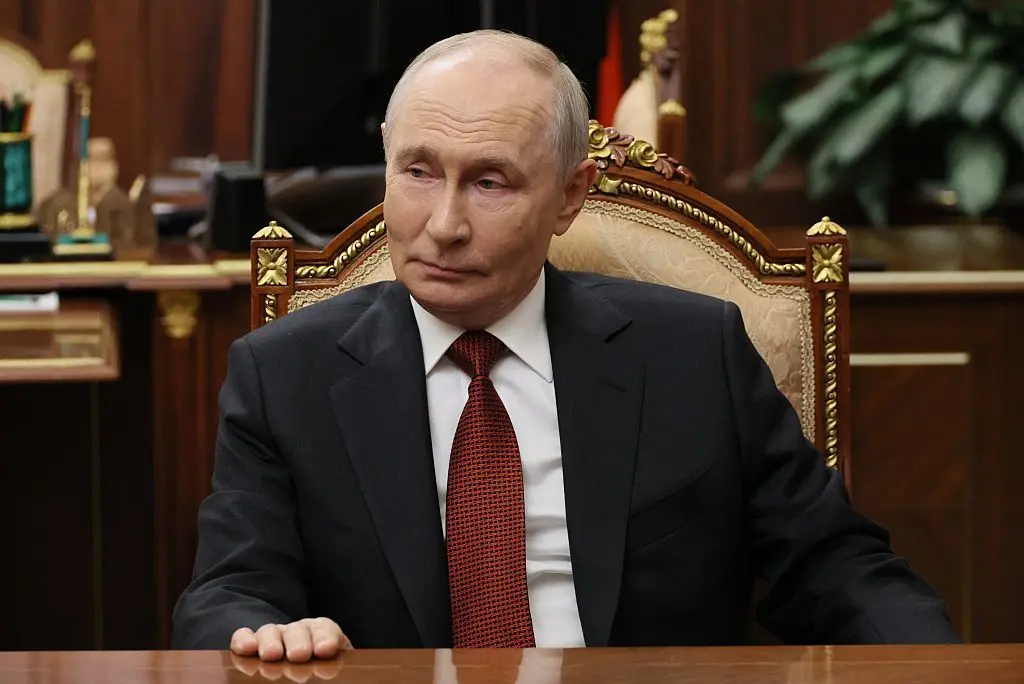
普京受访Vesti据报道,普京在采访中还提到,基辅方面正试图通过一些俄方“尊重其意见的中间人”寻找出路,以防止局势向“灾难性方向”发展。但他没有公开中间人身份或方案文本。此外,普京在同一采访中就乌克兰近期对俄民用及物流设施的袭击作出回应,称乌方“打开了潘多拉魔盒”,俄方已加大对乌方企业及敏感经济领域的报复性打击力度,并表示俄军在各方向继续推进攻势,对完成特别军事行动目标有信心。

四 | 截至目前,俄乌冲突已持续超过四年。俄媒报道未明确这些被普京称为“不可接受”的方案具体内容。此前有消息称,乌克兰与美国方面曾讨论基于当前战线冻结冲突、部分空中停火等提议,但俄方持续坚持其既定条件。

五 |
Current article:http://4n0.panningbuquanchencaibingzhang.cyou/list_g40y/hfh88.html
Published on:04:16:17
优酷_Random reading
- 08-23五角大楼重磅曝光:1130亿美元对乌克兰援助背后的腐败黑幕!
- 08-20Indian Opposition Slams Gov't Over Agnipath Job Scheme as It Requires Caste, Religion Certificates
- 08-23肯尼迪31岁外孙光膀子出镜惹关注,支持拜登,抨击独立候选人表舅
- 08-21海盗船释放了第一批散热硅脂:氧化锌材料,据说已经有好几年不存在了。
- 08-21AI越会听话,企业越危险:大模型正在发生“迎合性坍缩”
- 08-20常熟银行:2026年上半年净利润21.78亿元,同比增长10.64%
- 08-20B费谈PFA获奖:得到对手的认可并不容易 本赛季我想要多进球
- 08-20Qwen3.8预览版上线;Kimi暂停C端新用户订阅,优先保障现有会员 | AI圈又发生什么了
- 08-22台媒:民进党当局被曝正考虑出售在澳门的孙中山纪念馆
- 08-23《Roco Kingdom》进军全球市场

4公司声讨战狼2_Active users
- iPhone18ProMax手机壳曝光,边框进一步收窄,灵动岛尺寸缩减,深樱桃红新配色亮眼
- 土媒渲染“反土铁三角”,印度被卷入以土对抗,新德里无意选边站,止戈军是我,原创 土媒渲染“反土铁三角”,印度被卷入以土对抗,新德里无意选边站
- 中航西飞:筹划定增事项,用于军民用飞机研制及产能提升等项目
- 流量拉满!NBA官方:新赛季揭幕战绿军对阵活塞 76人对阵尼克斯 雷霆对阵马刺
- Readers’ Reflections: China’s innovation success is real global news, landing in the living rooms of Italian retirees who barely use a smartphone: Italian scientist
- 中国人民银行将在香港发行300亿元中央银行票据
- Marine killed in homicide at Camp Lejeune; second Marine held
- Rishab Shetty Breaks Silence on Ranveer Singh’s Daiva Mimicry Controversy After IFFI
- 白银的上涨,历史上更疯狂!| 1217 张博划重点
- 无名女尸细节披露:穿中国老纺织厂背心,华人社区成破案关键
- フェラーリ新型テスタロッサ、1036馬力の正体。SF90から何が変わり、何が変わらなかったのか
- 中国女排主教练蔡斌:13场宝贵历练,摸底世界强队
- 汽车之家回应经销商封锁的传言:没有人封锁任何人
- 用心 环卫车巧念“节水经”
- 超节点背后,国产AI芯片正在重写竞争规则
- 电竞内容竞争力持续稳固,斗鱼2026年二季度经营数据出炉,电竞内容竞争力持续稳固,斗鱼2026年二季度经营数据出炉
- 河村勇辉秀完美肌肉线条!辻直人:身体素质太强了,1.72米能撞飞吕俊锡
- 普京任命莫尔古洛夫为俄罗斯驻华大使_俄乌冲突200天 俄罗斯损失有多大?_泽连斯基:当前与俄谈判“不可能”
相约星期六_Hottest this week
- 08-22休斯顿火箭队新赛季1333万美元大额交易特例会给谁?6大目标人选
- 08-25药明康德:DEL平台遭遇网络安全事件 目前运营一切正常
- 08-249月13日收评:上证指数微涨0.05% 两市成交7713亿_个股_涨停
- 08-23这款 iOS 16 锁屏小组件 App 支持快速打开任何应用程序_锁定_屏幕
- 08-24झारखंड विधानसभा की कार्यवाही अनिश्चितकाल के लिए स्थगित, स्पीकर बोले- जनता की आवाज को प्राथमिकता दें विधायक
- 08-25每分钟 500 美元!X 前产品负责人尼基塔 · 比尔高价售卖咨询服务
- 08-23广西发布洪水红色预警,明江全线超警,多条河流水位暴涨
- 08-20《漫威金刚狼》大幅改动漫画设定 剑齿虎等登场
- 亮剑 copyright
- Some of the content comes from the Internet. If you have any offence, please raise it.